The future of gaming technology is arriving faster than we expected. In 2026, we are standing at the precipice of a new era. Artificial Intelligence, Virtual Reality, and Cloud Streaming are no longer science fiction; they are actively changing how games are designed and played. Let us look into the crystal ball and see what the next five years hold for the gaming industry.
Artificial Intelligence (AI) in Games
AI is evolving beyond simple enemy pathfinding. Developers are now using Generative AI to create dynamic dialogue for NPCs, meaning no two playthroughs are exactly the same. We are also seeing AI used to upscale old textures, allowing retro games to look modern. However, there is concern about AI replacing voice actors and writers. We explore this ethical dilemma in our Game Reviews section when we see casino en ligne it implemented poorly.
Virtual Reality (VR) and Augmented Reality (AR)
VR headsets are getting cheaper, lighter, and more powerful. The latest headsets offer inside-out tracking that does not require external sensors. Games like Half-Life: Alyx have shown what is possible. Meanwhile, AR is making waves on mobile, with games like Pokémon GO still retaining a dedicated player base. The metaverse is trying to make a comeback, focusing on gaming rather than corporate meetings.
Cloud Gaming (Game Streaming)
Services like Xbox Cloud Gaming and Nvidia GeForce Now are improving rapidly. The latency issues that plagued early cloud gaming are being resolved with fiber-optic internet and edge computing. Soon, you will be able to play a AAA game on a cheap Chromebook or even your smartphone without downloading 100GB files. This could spell the end of expensive gaming PCs, but we are not quite there yet.
Haptic Feedback and Immersion
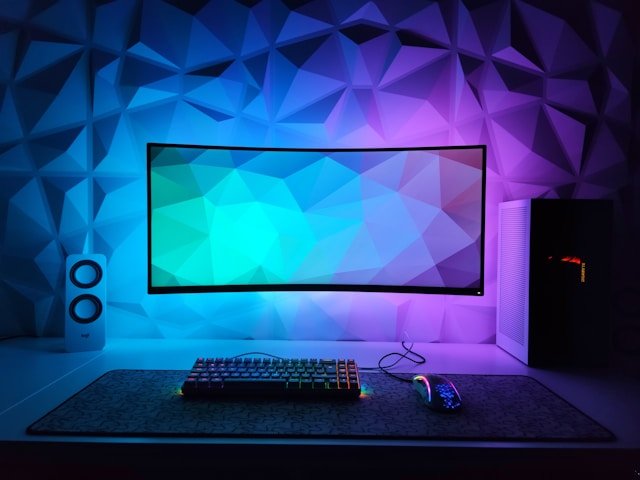
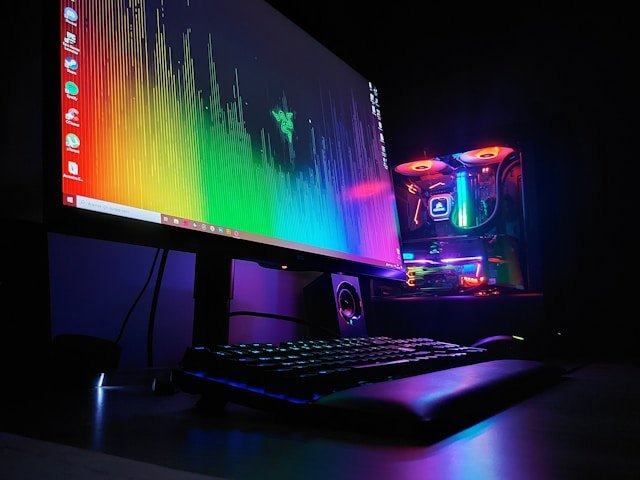
The future of gaming is not just about visuals; it is about feeling. The PS5’s DualSense controller was just the beginning. We are seeing haptic gaming suits and gaming chairs that rumble with explosions. There are even olfactory (smell) devices being developed for horror games. While these are currently expensive novelties, they will eventually become mainstream, making games more immersive than ever before. For current hardware recommendations, stick to our PC Gaming Setup Guide.